
The Manufactured Crisis: An Information‑Operations Analysis of Noncitizen‑Voting Claims
Introduction
Claims that undocumented immigrants vote in significant numbers persist across U.S. media ecosystems despite extensive evidence showing the opposite. Verified cases of noncitizen voting are extremely rare, often amounting to single‑digit counts across millions of ballots, roughly one case per one million ballots cast (Brennan Center for Justice, 2024; Factually, 2026a). This shortened analysis integrates SALUTE‑based operational framing with empirical research and a cost‑benefit assessment explaining why undocumented immigrants have no rational incentive to vote illegally.
Size and Empirical Reality
The narrative footprint is large, spanning cable news, political influencers, and high‑engagement social platforms. Yet state audits consistently show only isolated cases:
30 suspected cases out of 23.5 million votes (Brennan Center for Justice, 2024).

3 confirmed cases out of ~1,000,000 total ballots cast statewide in Nevada’s 2016 audit (Factually, 2026a).

9 confirmed ballots cast by noncitizens out of ~4,000,000 ballots cast statewide in Georgia reviews (Center for Election Innovation & Research [CEIR], 2026).
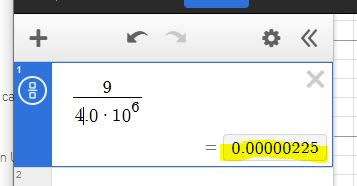
0 confirmed votes out of ~1,600,000 total ballots cast statewide in Utah’s statewide review (Factually, 2026a).

Broader tallies from national databases similarly show only dozens of cases over decades (Heritage Foundation, 2025; Factually, 2026b). The narrative’s scale is therefore disproportionate to its factual basis.
Activity: Fear Amplification and Pairing
Messaging frequently pairs unrelated facts—immigration arrests, border statistics, clerical errors—to imply widespread fraud. This mirrors audit findings showing that flagged records often involve naturalized citizens or administrative mismatches rather than intentional fraud (CEIR, 2026). The narrative relies on emotional association rather than evidence.
Location and Actors
The narrative originates in national media and high‑engagement platforms such as YouTube, TikTok, Instagram, and X. It then spreads through local political groups and community pages, creating the appearance of grassroots concern. Key actors include political campaigns, aligned media personalities, and coordinated online accounts using identical phrasing and timing.
Timing and Tools
Narrative spikes occur during legislative pushes such as the SAVE Act, election cycles, and immigration‑related news events. Amplification intensifies within 48–72 hours of any immigration story (Factually, 2026a). Tools include broadcast segments, influencer channels, algorithm‑optimized short‑form videos, templated graphics, and misleading statistics.
Cost‑Benefit Analysis: Why Undocumented Immigrants Avoid Illegal Voting
Benefits
There is no material or political gain from casting a single illegal ballot. Voting does not improve immigration status, provide protection, or change living conditions.
Costs
Felony prosecution (Heritage Foundation, 2025).
Immediate deportation and permanent removal from the U.S.
Permanent bar on citizenship and all future legal immigration pathways.
Family separation risks for those with U.S.‑born children.
Exposure to government systems, which undocumented immigrants typically avoid.
Rational Outcome
Because the benefits are zero and the costs are catastrophic, undocumented immigrants have no rational incentive to vote illegally. This aligns with empirical findings showing that verified cases are extremely rare and often unintentional (CEIR, 2026; Brennan Center for Justice, 2024).
Conclusion
The noncitizen‑voting narrative is a large, emotionally charged story built on a microscopic empirical reality. SALUTE analysis reveals coordinated amplification, predictable timing, and multi‑platform tools. Empirical research shows that verified cases are exceedingly rare and that undocumented immigrants face overwhelming penalties for illegal voting. The true challenge is not electoral fraud but distortion within the information environment.
References (APA)
Brennan Center for Justice. (2024, September 17). Noncitizen voting is vanishingly rare.
Center for Election Innovation & Research. (2026, February). Update: Review of claims of noncitizen registrants and voters.
Factually. (2026a, May 16). How many verified cases of noncitizen voting have state audits found in the last decade?
Factually. (2026b, March 31). How many confirmed cases of noncitizen voting have been documented in recent U.S. elections?
Heritage Foundation. (2025, December 12). Election fraud database.






Comments